City hosts workshop on independent Wastewater Package Plants
15 October 2024
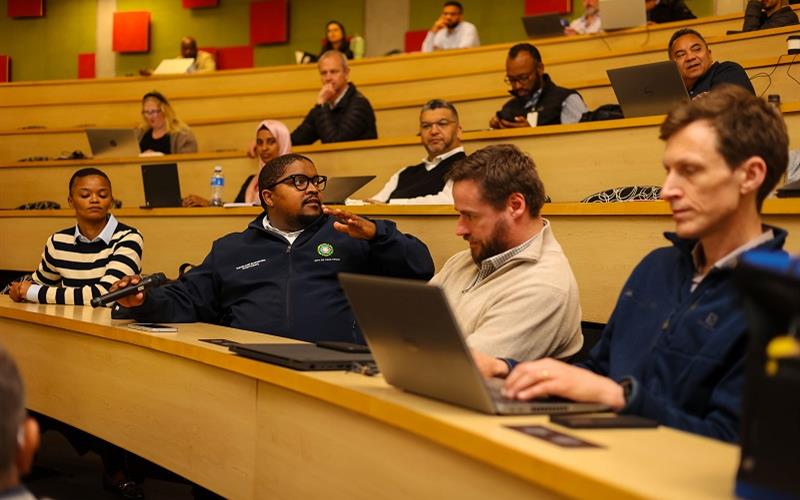
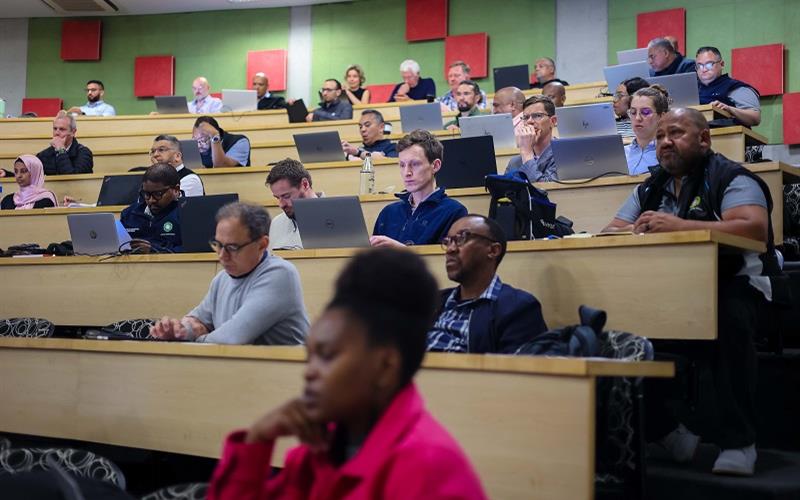
The City’s Water and Sanitation Directorate held a workshop on Thursday, 10 October 2024, for prospective Water Services Intermediaries (WSI), developers and other interested parties. The objective was to provide clarity and the latest updates on the regulatory requirements for operating wastewater package plants, independent from the City’s sanitation services.
Given the growing interest in privately operated wastewater package plants, the City identified the need to bring stakeholders up to speed with the latest regulations.
The workshop was attended by 24 participants representing various interests. Topics discussed included mandatory legal processes, such as water authorisation from the National Department of Water and Sanitation (DWS) and environmental authorisation from the Western Cape Department of Environmental Affairs and Development Planning (DEA&DP).
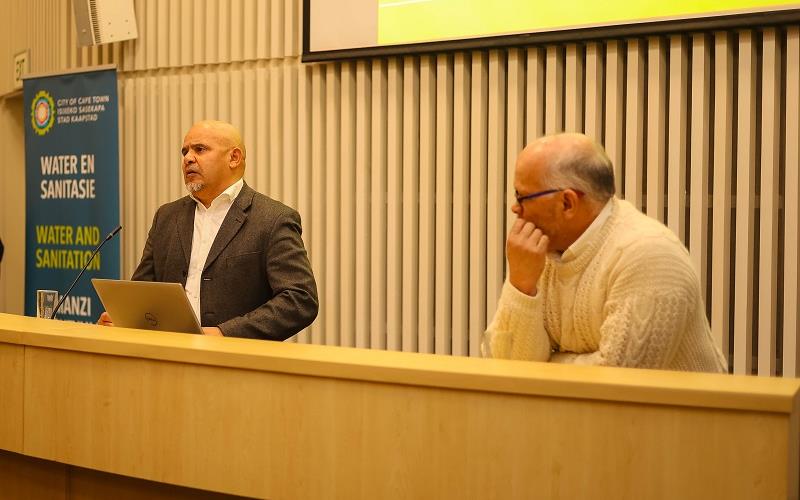
Presenters also highlighted the importance of wastewater risk abatement plans, compliance with plumbing installation requirements, and considerations to be taken into account for stormwater and environmental protection.
The City reassured participants that work to process WSI registrations was well under way, to ensure continued progress, regardless of other delays that may arise from property development related processes. Proper registration is fundamental to ensuring that the installation and operation of package plants complies with all relevant legal requirements, which is managed by the City as the accountable regulator.
What is a Wastewater Treatment package plant?
- According to DWS guidelines, a typical wastewater treatment package plant is an on-site, waterborne system for treating domestic wastewater.
- These plants are generally modular designs, with a total capacity of less than 2 000 m³ a day and are typically pre-constructed off-site before being installed.
- Package plants are particularly suitable for areas where large municipal wastewater treatment works (WWTWs) or smaller residential systems are not feasible. They have a smaller footprint, quicker installation times and are easier to relocate if necessary.
- When properly managed, their treatment processes can be just as effective as those in municipal WWTWs.
How to register as a WSI
- Request an application form by emailing Water.WSI@capetown.gov.za
- The applicant/property owner/developer must complete the form and return it to the City of Cape Town as directed, along with the required supporting documents
- There is no cost involved in the City’s registration process
- Simultaneously, the WSI needs to apply for an authorisation letter from DWS, if required for their particular development
- The WSI must also engage with DEA&DP for basic or environmental impact assessment, if required
- Once the registration process is successful and all required approvals are in place, the package plant is commissioned
- The plant will then be subject to operational and management regulations and associated compliance requirements including: the DWS IRIS system, Green Drop assessments and municipal by-laws.
- Regular inspections will also be conducted by the City’s Water and Sanitation Inspectorate, to ensure that plants comply with the City’s Water related By-laws
Currently applications in constrained wastewater catchments (i.e. Potsdam, Macassar and Zandvliet) are given priority. The City is processing a few applications that are in the final stages of assessment. All other applications that are outside the constrained areas or put forward by applicants as a preferred alternative, are considered on a case-by-case basis. Their merits are considered alongside the principles outlined in the City’s Water and Sanitation Services Policy, 2023 and the Water Conservation and Demand Management Strategy.
‘It’s important for businesses and industries to have sustainable operations, with suitable sanitation. In some cases, private wastewater package plants can be instrumental to ensuring that this is feasible. The WSI workshop was an opportunity for the City to equip stakeholders who are keen to learn more about packaged plants, who may want to embark on this journey of having their own.
‘If managed well, these plants should decrease the load on the City’s sanitation infrastructure. This can also support socio-economic growth by enabling further construction and expansion of property developments.
‘At the same time, the City’s continuous investments in major upgrades at vital WWTWs are progressing well,’ said the City’s Mayoral Committee Member for Water and Sanitation, Councillor Zahid Badroodien.
End
Published by:
City of Cape Town, Media Office